The Māori cultural performance
About 30 minutes of waiata, poi, stick games and haka at Whakarewarewa, with the meaning of each explained and a host to show you in. The village tour is not included.
Independent guide · not affiliated with the village or performers · book with GetYourGuide · a short daytime performance, about 30 minutes
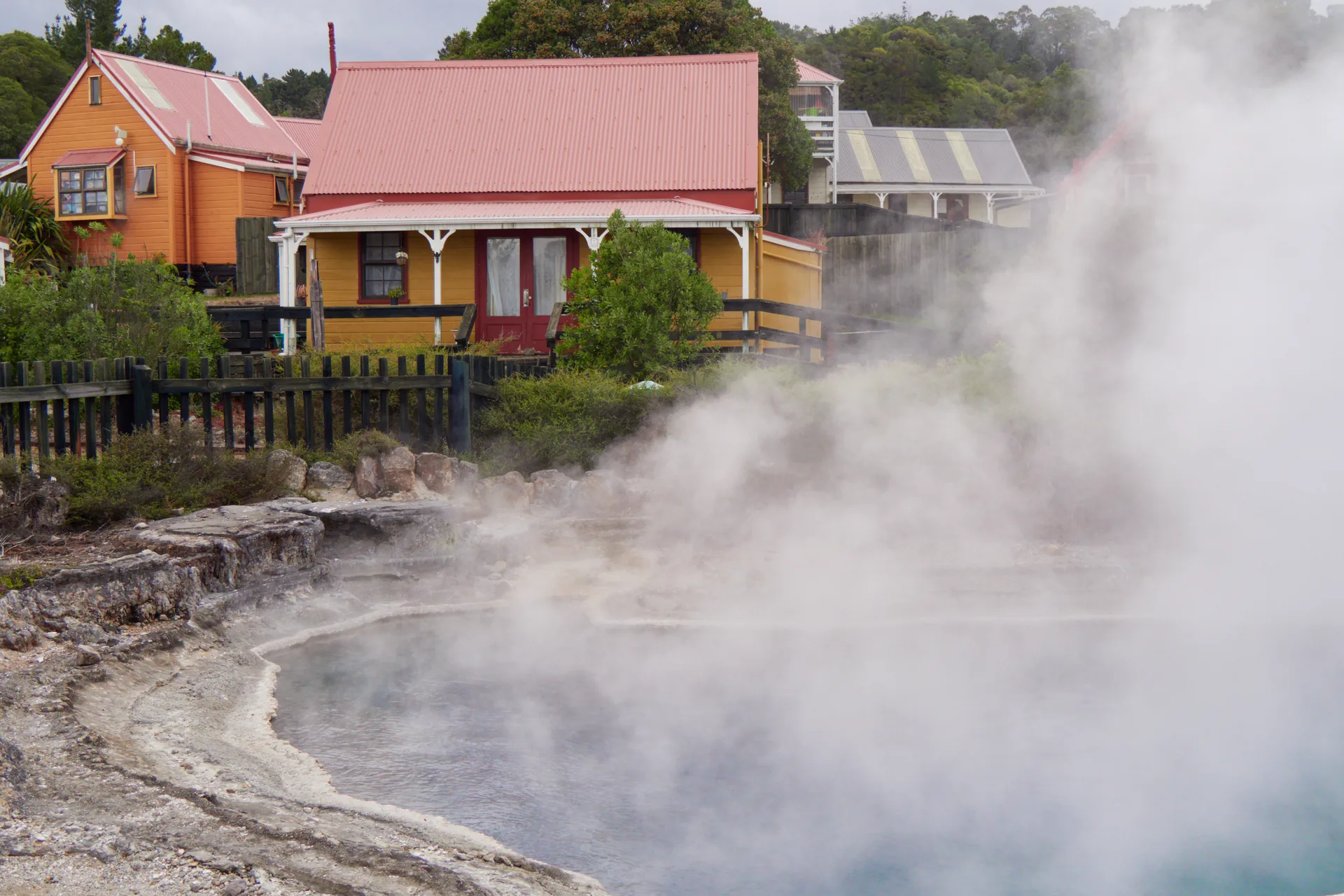
Whakarewarewa · Rotorua
Families still live among the steaming pools of Whakarewarewa, and their own performers share waiata, poi and haka.
Guests love how the performers explain every song and dance, and feeling the haka at close range.
What is the haka?
The haka is a group of Māori dances with chanted or shouted words. It welcomes guests, honours people and marks occasions, and in the past it also readied warriors for battle, so it is not only a war dance. In Rotorua you can watch a daytime performance at Whakarewarewa, a village where Tūhourangi Ngāti Wāhiao families live among the geothermal pools. The ticket here covers about 30 minutes of waiata, poi, stick games and haka, with the meaning of each explained.
A live performance by people of the village, in the place where they live, with the songs and dances explained so that you know what each one is for. It is short, it is held in the daytime, and a host shows you in after check-in.
It is not an evening hāngī dinner, and it does not include the village tour, which is a separate ticket. The haka is also not something to join in with: you watch, and the performers lead.
Dates with places left are on the calendar, each with its start time. Numbers at each performance are limited, so pick a date early in a busy week, and allow time to check in at reception.
What the performance draws on
Kapa haka, the Māori performing arts, brings several kinds of item together. The performance here is described as waiata, haka, poi and stick games, with the meaning of each explained. This is what each one is.
The performers choose the items and the running order on the day, so treat this as a guide to the kinds of item and not a programme.
You check in at reception, and a host then shows you in to the performance area. The village limits the numbers at each performance, which is why the booking calendar is the place to pick a date.
Karanga, the art of calling, is one of the features Te Ara lists for kapa haka, and it resembles customs carried out on a marae. Whether a performance opens with one, and how, is for the performers to decide.
Waiata are sung to tunes or chants, and Te Ara calls them a central element of kapa haka. They carry the feelings of a person or group, record events and pass knowledge down within Māori communities. The performers explain what the songs are about.
A poi is a ball on the end of a cord, swung by the performer to complement the song. Te Ara calls poi a genre of music exclusive to New Zealand Māori, and notes that it is now largely performed to European melodies.
Tī rākau are stick games, and the village lists them beside haka and poi among the items of its performance. The performers explain the meaning of the items as they go, and that includes the stick games.
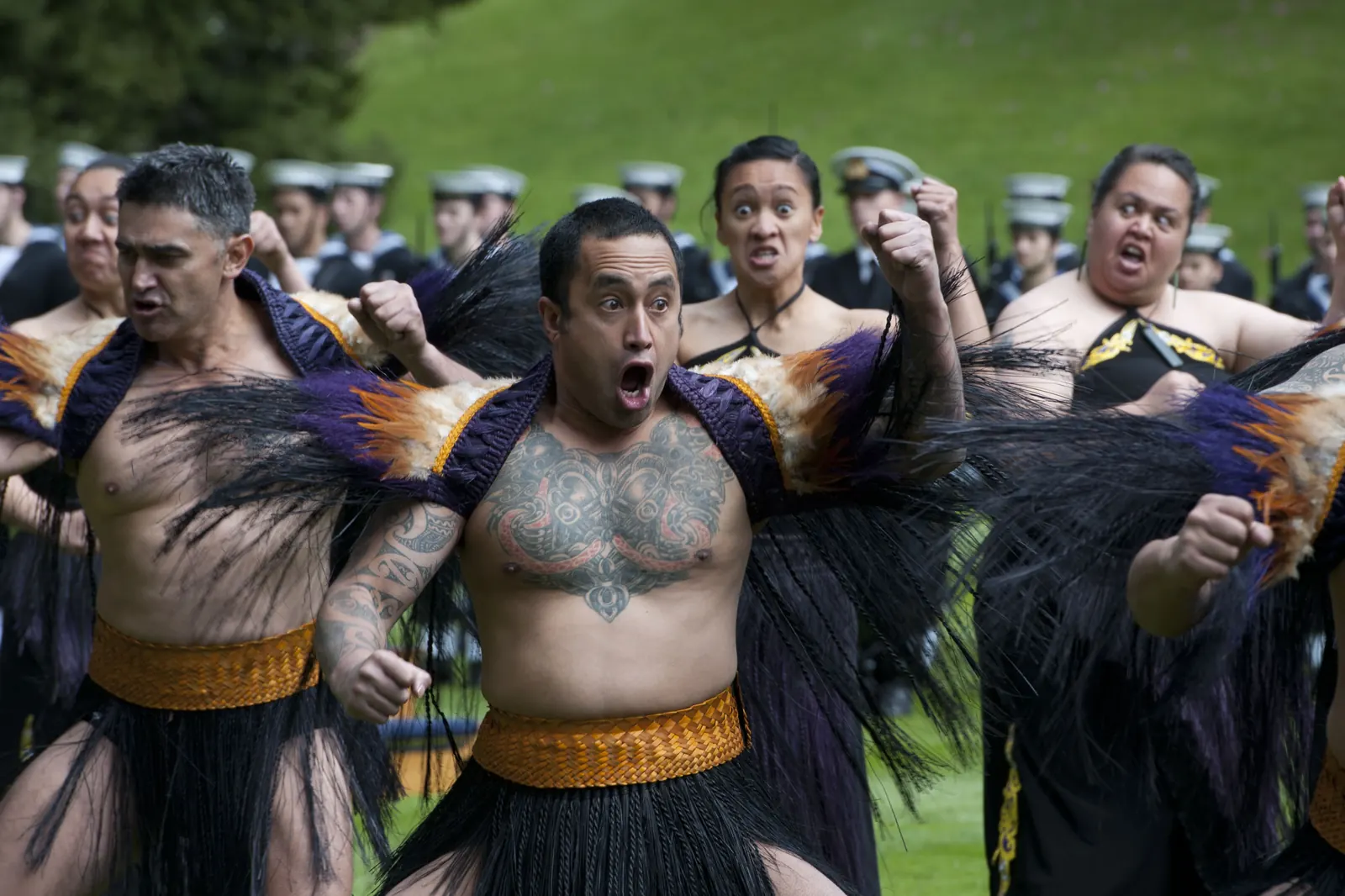
Performers stand in rows, stamp, slap their bodies and call out in unison. Te Ara notes that pūkana, the widened eyes, and whētero, the extended tongue, belong to the art. Which haka you see is for the performers to choose.
The performers explain the meaning of each item as they go. That is what turns a short set into something you can follow: you know what is being welcomed, remembered or honoured.
Three ways to spend a visit
From booking to your seat
Five steps, from the calendar to the performance area. Your confirmation has the exact details for your date.
Pick from the open dates in the calendar below. This ticket covers the performance only. Cancel up to 24 hours ahead and the booking is refunded when you book through GetYourGuide.
Your confirmation shows the start time and how to check in. Arrive early enough to check in without hurrying, as numbers at each performance are limited.
The village is at 17 Tryon Street, Whakarewarewa, in Rotorua. Enter the address in a maps app, or give it to your taxi driver.
Check in at reception. A host then shows you in to the performance.
The performance lasts about 30 minutes. The guided village tour and the other activities are sold separately, so decide before you go whether you want them.
What the ticket is
Eight points worth settling before you pick a date.
The village and its ground
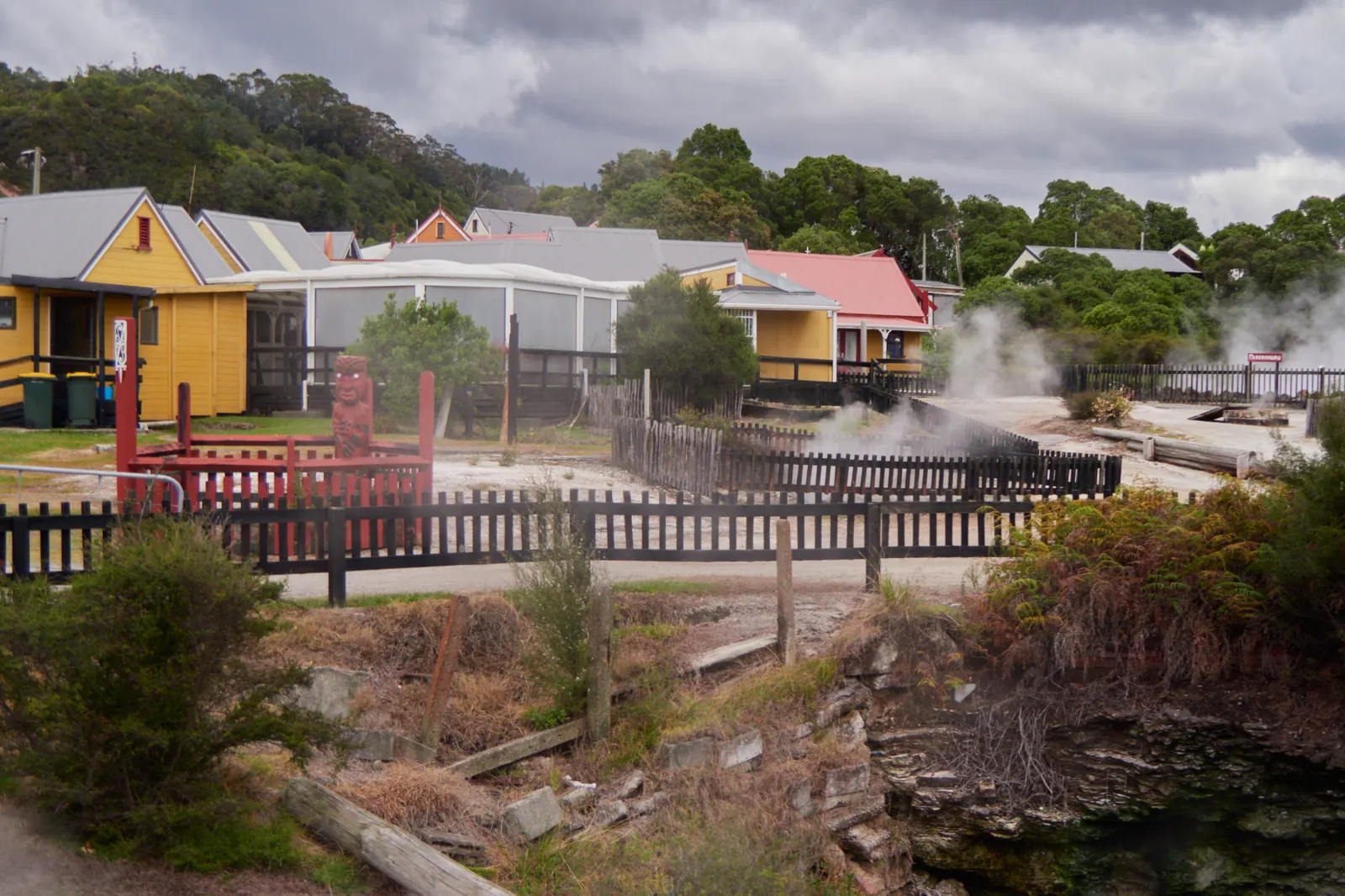
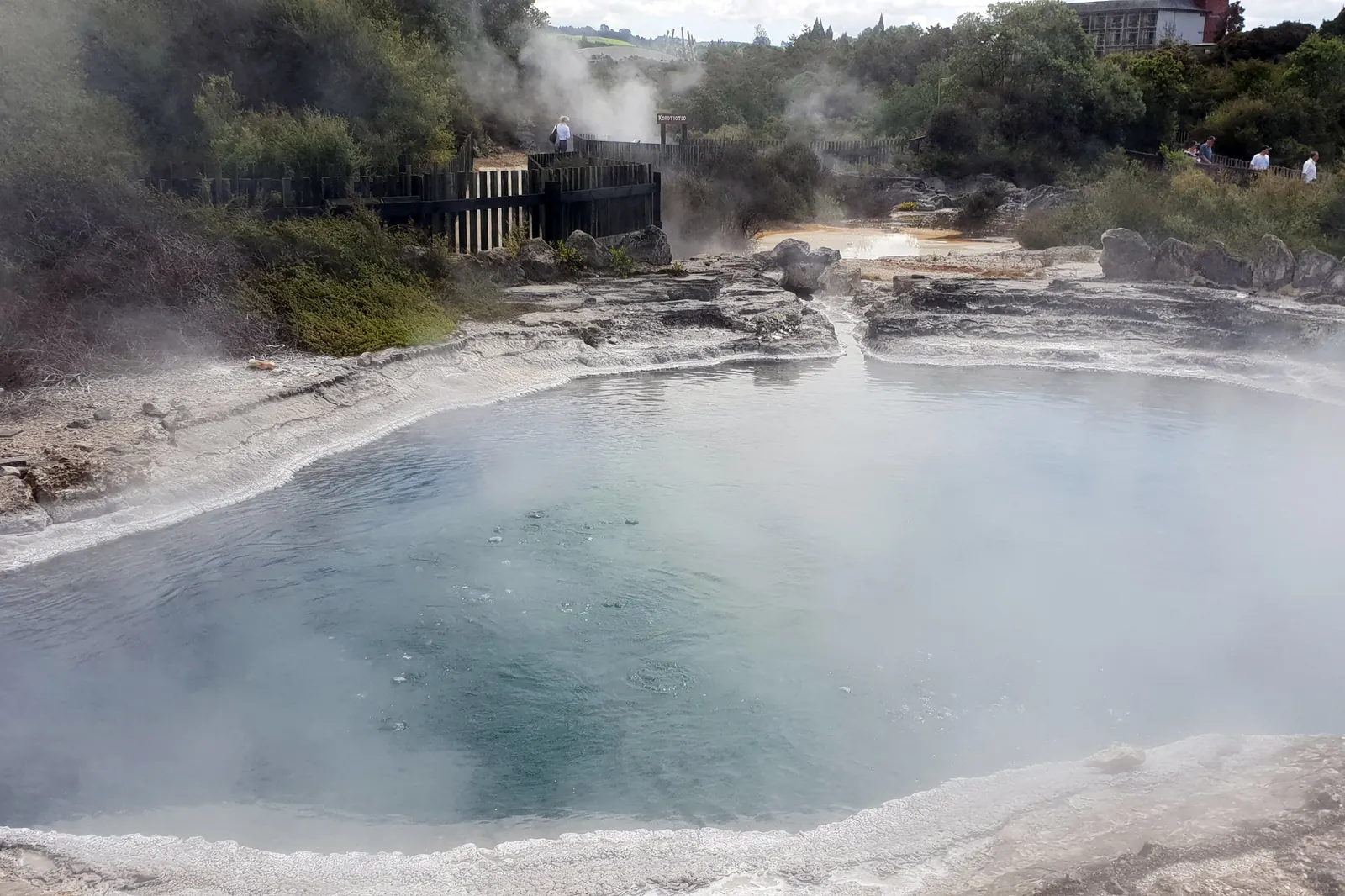
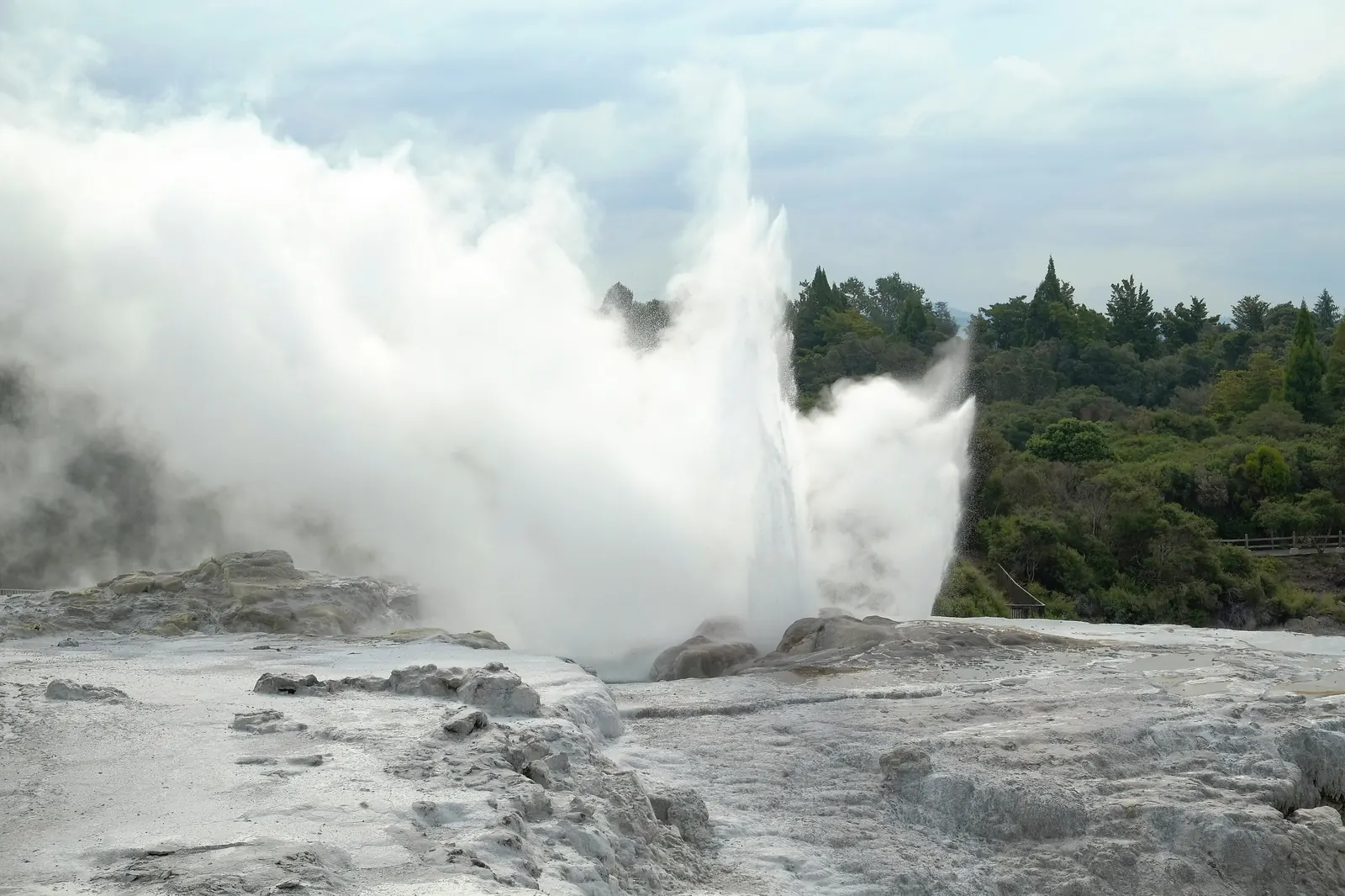
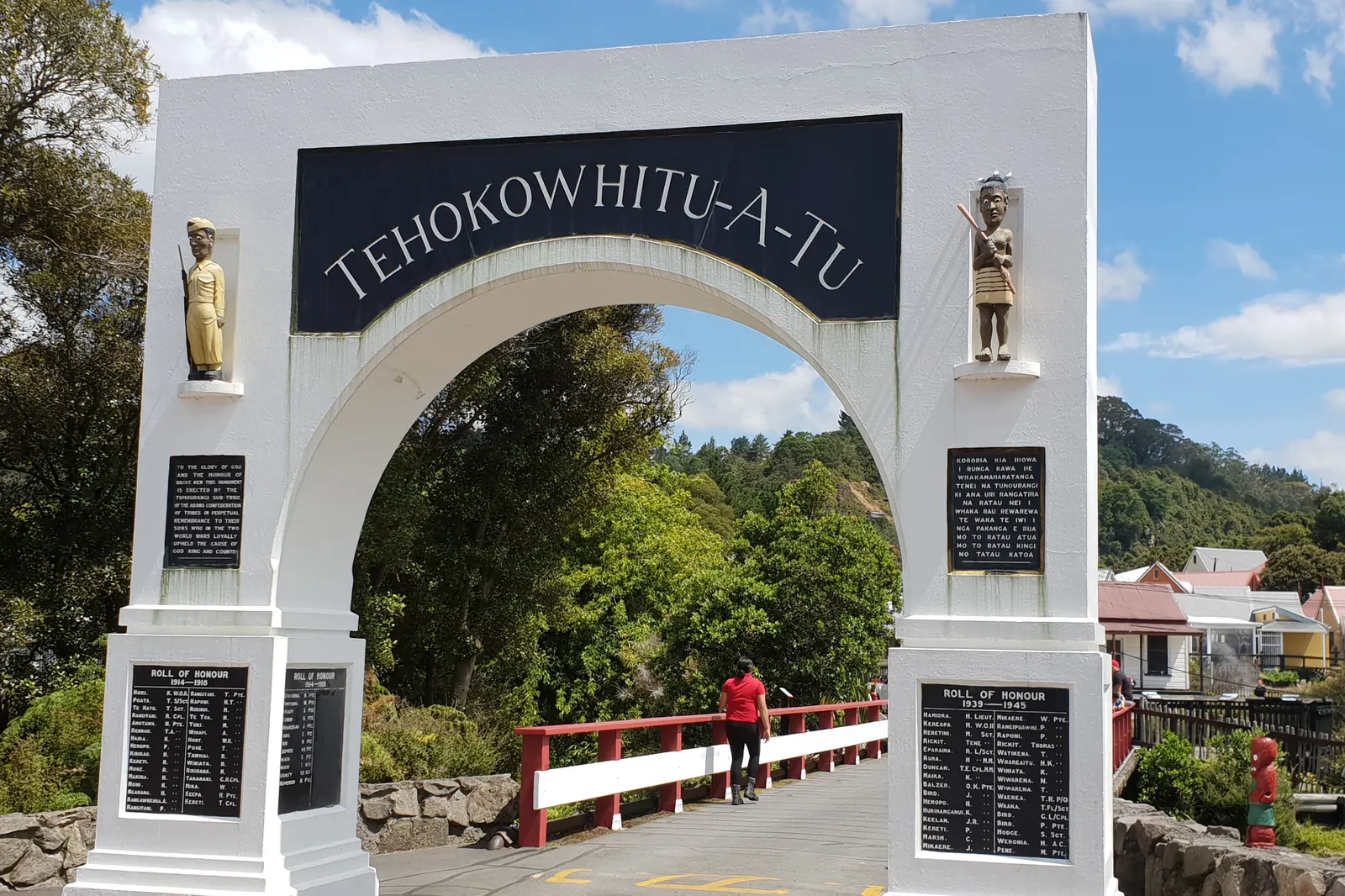
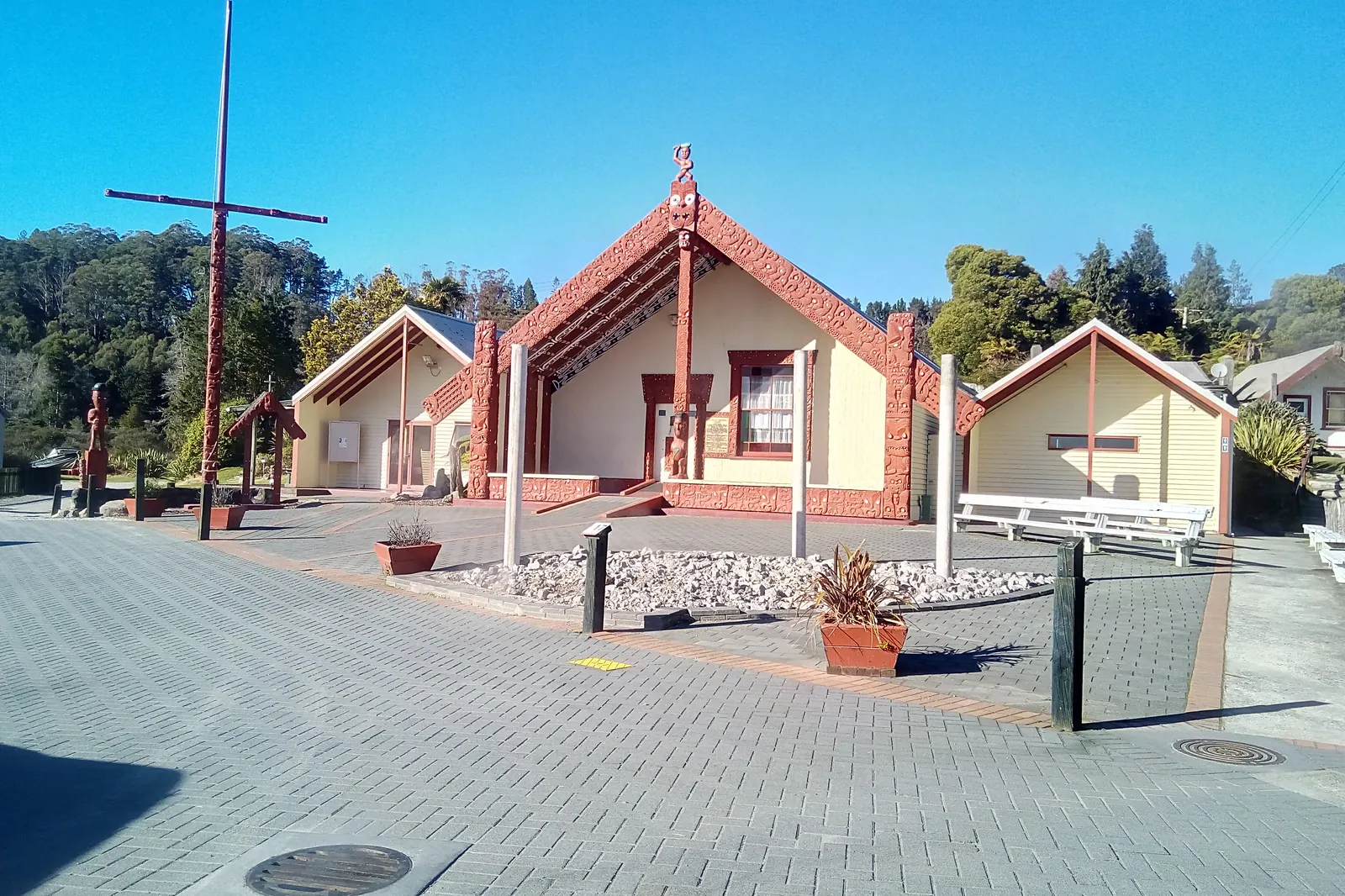
Photographs of Whakarewarewa village and its geothermal ground, plus one haka of welcome from elsewhere in New Zealand, marked as such. None is a photograph of this performance.
Around Whakarewarewa and Rotorua
The first card is the performance this site covers. The second is the guided tour of the village, a separate booking. The last two are geothermal parks that need a half day of their own.
About 30 minutes of waiata, poi, stick games and haka at Whakarewarewa, with the meaning of each explained and a host to show you in. The village tour is not included.
A guided walk through the village where the performance is held, booked separately from the performance and lasting about an hour.
An entry ticket to a large geothermal park south of Rotorua, with its own pools and geysers. It needs a half day and its own transport.
A guided geothermal walk with a mud spa afterwards, on the other side of Rotorua from Whakarewarewa. Plan about three hours.
Other ways to spend a day in Rotorua
Practical notes
The village is at 17 Tryon Street, Whakarewarewa. Te Ara says the settlement is reached over a bridge across the Puarenga Stream, and that its memorial gateway honours Māori who served in the two world wars.
The performance lasts about 30 minutes. Add time to check in and to walk to the performance area. The guided tour is its own booking, so allow for it separately if you add it.
Whakarewarewa has more than 500 hot springs, by Te Ara's count. The village asks every visitor to follow the public safety rules and to keep to the marked walkways at all times, so keep children close.
The village is a home as well as a place to visit. Follow your host's instructions about photographs, and ask a host or performer if you are unsure. Watch the haka rather than copying it.
Families, couples, solo visitors and groups who want a short, easy introduction to Māori performing arts. It does not suit anyone who wants a meal, an evening show or a long programme.
Wai-O-Tapu is a separate geothermal park about 27 km south of Rotorua, so it needs its own ticket and its own transport. It suits a half day of its own.
More reading
FAQ
A group of Māori dances performed with chanted or shouted words. It welcomes guests, honours people and marks occasions, and some haka were war dances, but Te Ara says plainly that haka is not only a war dance.
About 30 minutes. The guided village tour and the village's other activities are separate tickets.
No. It is a short daytime performance in the village, with no meal. The ticket covers the performance and a host to show you in.
No. The tour is a separate booking, listed as the second card in the booking section. The village's own site says it admits visitors to the village with a guide.
That is for the performers to decide, and the items can change. Ka Mate is the best known abroad, but there are many haka, and performers choose what suits the day.
Yes, the performance is wheelchair accessible. If you need to know about ground, seating or steps, ask the village before you go.
Follow your host's instructions on the day, and ask a host or performer if you are unsure. The village is a home as well as a visitor attraction.
Free cancellation up to 24 hours ahead when you book through GetYourGuide. The village's own booking terms differ, so follow the terms on the booking page.
Calendar prices follow the currency you select, with taxes and fees in.